


In our hyper-connected world, we think of networks in terms of Wi-Fi signals, ethernet cables, and blazing 5G. But beneath the surface of every email sent, every stream buffered, and every video call connected, lies a critical piece of software that rarely gets the spotlight: the network driver. These digital workhorses are the essential interpreters that allow your computer’s operating system to have a meaningful conversation with the physical hardware that connects you to the world.
Understanding them isn’t just academic; it’s key to troubleshooting a flaky connection, boosting performance, or simply appreciating the hidden complexity of a networked world.
The Universal Translator for Your Hardware
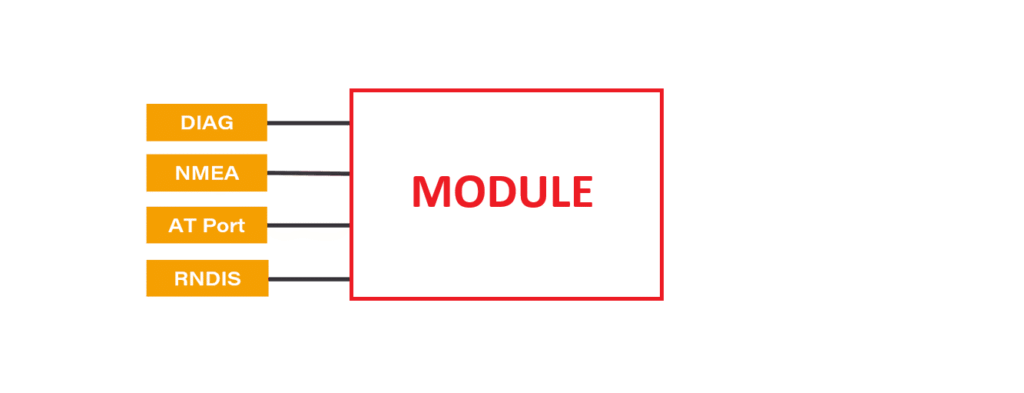
At its core, a network driver is a specialized software module that acts as a universal translator. It sits between a computer’s operating system (like Windows, Linux, or macOS) and its Network Interface Card (NIC)—the physical or virtual hardware that sends and receives data.
The operating system speaks in high-level, standardized commands (“send this packet,” “check the connection”). The NIC, whether it’s a gigabit ethernet port, a Wi-Fi adapter, or a 5G modem, has its own unique, hardware-specific language. The driver’s sole purpose is to translate the OS’s generic commands into the precise instructions the specific NIC model needs to function. Without the correct driver, even the most advanced, expensive network card is a useless piece of silicon.

A Spectrum of Drivers: From Universal to Specialized
Not all drivers are created equal. They exist on a spectrum, designed to meet different needs for compatibility, performance, and cost.
- In-Box Drivers: These are the generic drivers built directly into an operating system. They provide basic functionality for a wide range of common hardware, allowing you to get online immediately after a fresh OS install. Think of them as a phrasebook—it gets the basic job done but lacks the nuance for high-performance tasks.
- Vendor-Supplied Drivers: This is where the real magic happens. These are the optimized drivers written and maintained by the hardware manufacturer (like Intel, Broadcom, or Qualcomm). They are finely tuned to unlock the full potential of their specific hardware, offering enhanced features, better power management, superior stability, and lower latency. For any serious application, these are the gold standard.
- Generic NDIS Drivers: The Network Driver Interface Specification (NDIS) is a standard framework, primarily in Windows, that provides a universal API. This allows hardware vendors to write a single driver that can interface with multiple versions of the Windows OS, simplifying development and ensuring broad compatibility.
Why Drivers Matter: The Practical Impact
You might only think about a driver when something goes wrong, but their quality and configuration have a daily impact on your experience.
- Performance: A well-tuned driver can maximize throughput (speed) and minimize latency (lag), which is crucial for online gaming, video conferencing, and large data transfers. A poorly optimized driver can create a bottleneck, leaving you with slower-than-expected speeds.
- Stability & Reliability: The infamous “Blue Screen of Death” or a persistent, dropped connection can often be traced back to a corrupt, outdated, or buggy network driver. A stable driver is the foundation of a reliable network connection.
- Security: Drivers operate at a privileged level in the system. As such, they can be a target for security vulnerabilities. Manufacturers regularly release driver updates to patch these security holes, making keeping your drivers current a critical cybersecurity practice.
- Feature Enablement: Advanced hardware features like Wake-on-LAN, traffic prioritization (QoS), or teaming multiple network ports together are almost always dependent on support from the vendor-specific driver.
The Evolution: Virtualization and the Cloud
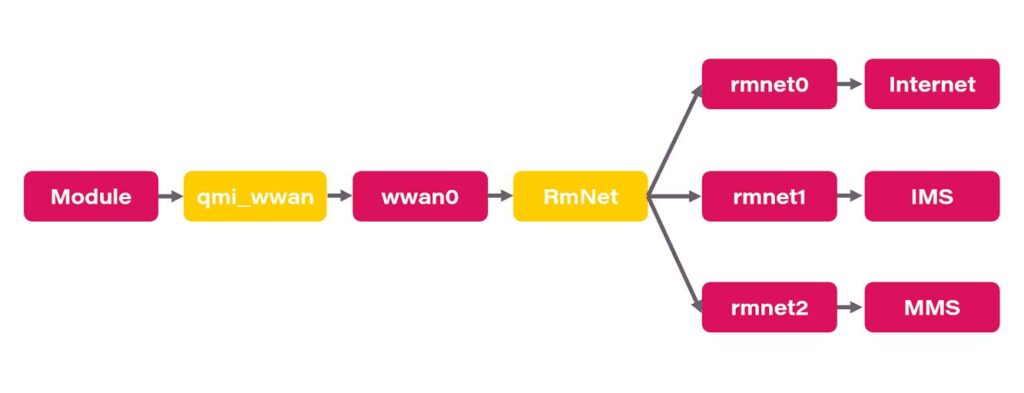
The role of the driver is evolving beyond physical hardware. In virtualized and cloud environments, the physical NIC is shared among multiple virtual machines (VMs). Here, virtual network drivers become crucial.
Technologies like virtio-net (for Linux/KVM) and VMXNET3 (for VMware) are paravirtualized drivers. They are not tied to any specific physical hardware but are designed for optimal performance within a virtualized ecosystem. They communicate directly with the hypervisor, drastically reducing overhead and providing near-native network performance to VMs, which is the lifeblood of modern cloud infrastructure.
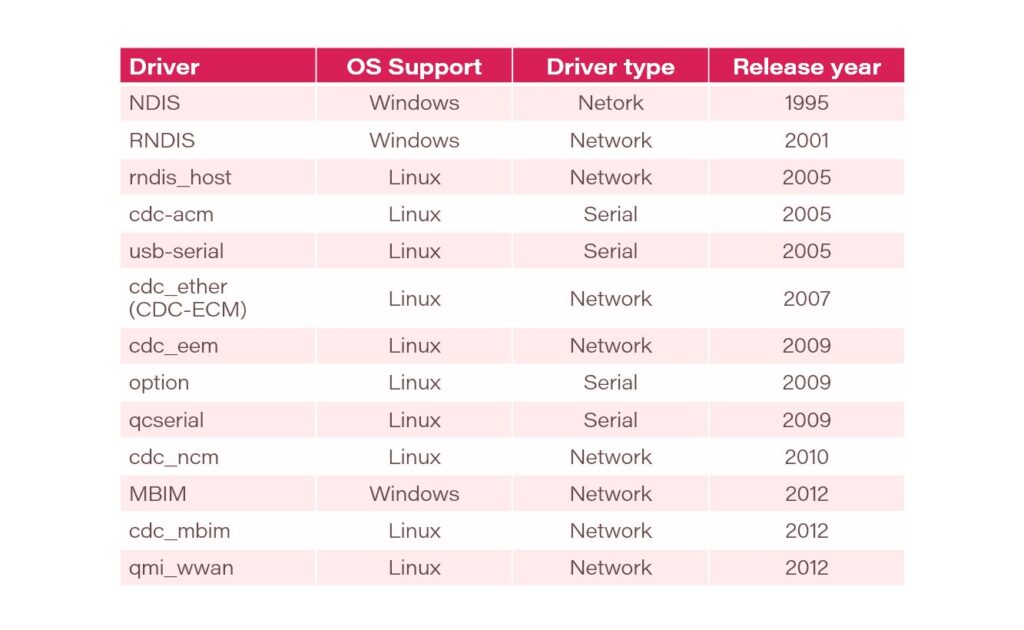
Here is a history of the network drivers:

The Bottom Line
Network drivers are a fundamental, if invisible, component of our digital lives. They are the diligent interpreters that transform abstract data into electrical signals and radio waves, connecting our devices to the global network. By understanding their role—from the basic in-box version to the high-performance vendor driver—we gain a deeper appreciation for the complexity of connectivity and the tools to build faster, more stable, and more secure networked systems. The next time you have a flawless video call, remember to thank the unsung interpreter working behind the scenes.