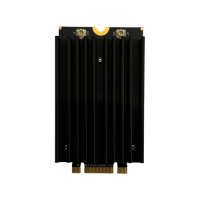
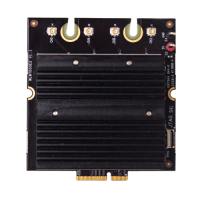
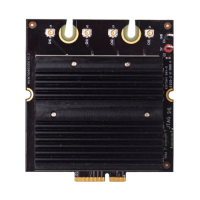
Your Go-To Guide for Loading Firmware and Configuring MLO on IPQ9574 !
Hey there! Are you feeling a bit lost when it comes to loading firmware and configuring MLO on the IPQ9574? Fret not! Here at 524WiFi, we’ve crafted a super easy and detailed tutorial just for you. Let’s jump right into it!
Why This Guide?
Whether you’re a seasoned pro or a complete newbie, setting up advanced hardware can be daunting. That’s why we’re here to break it down into simple, manageable steps. By the end of this guide, you’ll be a pro at loading firmware and configuring your device like a champ!
What You’ll Get
Clear Hardware Setup: We’ll kick things off by connecting the hardware. Don’t worry; we’ll guide you through the process of connecting your UART cable without any hassle.
Seamless Firmware Loading: Next, we’ll tackle loading the firmware. We’ll ensure you have everything in the right place and give you step-by-step instructions to make it a breeze.
Effortless AP Configuration: Finally, we’ll walk you through configuring the Access Point. This step is crucial for ensuring your device runs at its best.
Stick Around for More!
But wait, there’s more! If you stick around until the end of the video, you’ll get an exclusive sneak peek at our upcoming DR9574kit throughput test. Trust us, you won’t want to miss it!
Ready to Dive In?
So, what are you waiting for? Click the link below to watch our tutorial and empower yourself with the skills to conquer firmware loading and MLO configuration!
📺 Watch here:
P.S.: The MLO for DR5332/DR5322 is currently in active preparation. We appreciate your patience as our R&D team works diligently on this. Stay tuned for the latest updates coming your way soon—just you wait!
QCA9880 vs QCA9882: A Comprehensive Comparison of Qualcomm-Atheros Wi-Fi Chipsets for Industrial and Enterprise Applications
In today’s rapidly evolving wireless communication landscape, selecting the right Wi-Fi chipset can make a significant difference in the performance and reliability of a network. Qualcomm-Atheros, a leader in wireless technology, offers a range of Wi-Fi chipsets tailored for different applications. Among these, the QCA9880 and QCA9882 are two highly-regarded chipsets known for their strong performance and versatility. But which one is the best fit for your needs? In this article, we will break down the key differences between these two chipsets, their technical features, and their ideal applications.
QCA9880: This high-end Wi-Fi chipset supports the 802.11ac standard and features 3×3 MIMO technology, enabling higher throughput and broader coverage. It is ideal for applications where performance and robust connectivity are critical, such as enterprise-grade routers, access points, and wireless gateways.
QCA9882: Positioned as a cost-effective solution, the QCA9882 also supports the 802.11ac standard but uses a 2×2 MIMO configuration. While offering slightly lower throughput than the QCA9880, its compact design and energy-efficient operation make it suitable for embedded systems, industrial devices, and smaller-scale networking applications.
QCA9880 is equipped with 3×3 MIMO (Multiple Input Multiple Output) technology, allowing it to transmit and receive data on three spatial streams simultaneously. This setup is especially useful in environments with high device density, such as large office buildings or public spaces, where the demand for reliable, high-speed Wi-Fi is constant. The ability to handle multiple streams means greater bandwidth and less interference, which translates into a superior user experience.
QCA9882, on the other hand, uses a 2×2 MIMO configuration. While this is more than adequate for smaller networks or embedded devices, it does not offer the same level of performance as the QCA9880. However, its reduced complexity makes it ideal for environments where cost, power consumption, and space are more critical considerations, such as in IoT devices or compact industrial gateways.
Dual-band Operation
Both QCA9880 and QCA9882 support dual-band operation on the 2.4GHz and 5GHz frequency bands. The 2.4GHz band is commonly used for longer-range communications, while the 5GHz band provides faster data transfer speeds over shorter distances. This flexibility ensures that both chipsets can be used in a variety of scenarios, allowing devices to switch between frequency bands based on network demand and interference.
Data Rates
QCA9880 supports data rates of up to 1.3 Gbps, making it an excellent choice for high-bandwidth applications such as video streaming, online gaming, or large data transfers. The 3×3 MIMO configuration ensures that it can handle multiple simultaneous connections without a dip in performance, making it ideal for enterprise-level networks.
QCA9882, with its 2×2 MIMO configuration, supports data rates of up to 867 Mbps, which is still a significant improvement over older Wi-Fi standards but not quite as fast as the QCA9880. For smaller-scale applications, such as smart industrial devices or IoT gateways, this data rate is more than sufficient.
Due to its powerful 3×3 MIMO capabilities and high data rates, QCA9880 is well-suited for environments that require robust, high-speed wireless communication, including:
Enterprise networks: QCA9880 is ideal for use in enterprise-level access points (APs) and wireless gateways where multiple devices need to connect simultaneously without compromising speed or reliability.
Public Wi-Fi hotspots: Its ability to manage high-density device environments makes it perfect for deployment in public spaces like shopping malls, airports, and stadiums.
Video streaming and gaming: With its high throughput, the QCA9880 can handle bandwidth-heavy applications such as 4K video streaming and online gaming with minimal latency.
The QCA9882 is designed for more specialized use cases where power efficiency and space optimization are critical. Some typical applications include:
Industrial IoT (IIoT): In environments such as factories or remote sensor networks, the QCA9882’s compact design and reliable performance are perfect for maintaining stable wireless connections across devices in challenging conditions.
Embedded systems: For products like industrial gateways or compact routers, the QCA9882 offers a cost-effective, low-power solution that still delivers high-speed 802.11ac Wi-Fi performance.
Small and medium businesses (SMBs): QCA9882 can be integrated into networking products for SMBs that require a balance between performance and cost, ensuring reliable Wi-Fi without the need for enterprise-grade features.
5. Choosing the Right Chipset for Your Needs
When choosing between QCA9880 and QCA9882, the decision ultimately depends on the specific requirements of your application:
QCA9880 is the better choice for high-performance, enterprise, or high-density networking environments. Its 3×3 MIMO configuration and high data rates make it a powerful solution for demanding use cases.
QCA9880 VS QCA9882
QCA9882 is ideal for applications where space, power consumption, and cost are critical considerations, such as in industrial IoT and embedded systems.
QCA9880 VS QCA9882
6. Conclusion
Both the QCA9880 and QCA9882 from Qualcomm-Atheros are excellent Wi-Fi chipsets that cater to different market segments. The QCA9880 excels in high-performance networking scenarios, while the QCA9882 is a perfect fit for cost-conscious applications with lower power requirements. Whether you’re building a cutting-edge enterprise network or integrating Wi-Fi into an industrial IoT device, Qualcomm’s chipsets offer reliable, scalable, and future-proof solutions for every need.
524WiFi 600VX / 900VX modules for industrial applications :
524WiFi Wi-Fi 7 Router Powered by Qualcomm IPQ9574 and QCN9274: Enhanced Network Experience with MLO Technology
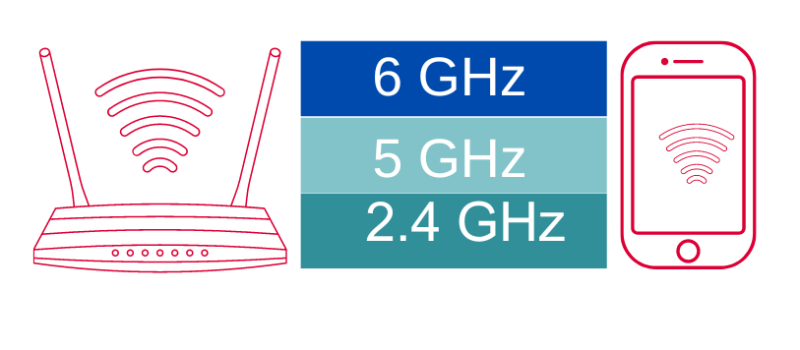
MLO (Multi-Link Operation) is a key technology in Wi-Fi 7 that allows data to be transmitted across multiple wireless links simultaneously, significantly improving network performance, stability, and efficiency. Specifically, MLO enables devices to transmit and receive data on multiple frequency bands (2.4GHz, 5GHz, and 6GHz) at the same time, rather than being limited to a single band.
Key Roles of MLO in Wi-Fi 7:
Increased Throughput: MLO allows devices to utilize multiple links for data transmission, greatly boosting bandwidth and data transfer speeds, especially for high-bandwidth applications like 4K/8K streaming, cloud gaming, and VR/AR.
Reduced Latency: Parallel transmission across multiple links accelerates data transfer, lowering latency, which is crucial for real-time applications like online gaming and video conferencing.
Enhanced Reliability: MLO can automatically switch to other links if one experiences interference or congestion, ensuring connection stability, especially in crowded environments or when devices are far from the router.
More Efficient Spectrum Usage: MLO dynamically distributes traffic across different links, improving spectrum resource utilization and reducing wireless congestion.
Why Many Applications Need MLO:
High Bandwidth Demands: As 4K/8K video and immersive media become more prevalent, applications increasingly require higher bandwidth. MLO’s multi-link capability meets these demands.
Low Latency Requirements: Applications like cloud gaming and video conferencing require very low latency. MLO can significantly reduce latency through parallel transmission.
Reliability: Smart home and industrial automation applications need stable connections. MLO’s multi-link mechanism ensures stability even if one link fails.
About IPQ9574 and QCN9274:
Qualcomm IPQ9574: This powerful SoC (System on Chip) is designed for high-performance networking applications, providing robust processing power and advanced features to support next-gen Wi-Fi 7 capabilities. Its architecture is optimized for handling multiple data streams, ensuring seamless connectivity and improved network efficiency.
Qualcomm QCN9274: Qualcomm Wi-Fi 7 ‘Waikiki’ series radio solution.
In summary, MLO is a core technology in Wi-Fi 7 that enhances network experience by providing higher throughput, lower latency, and greater reliability, making it essential for modern high-performance applications.
524WiFi Solution:
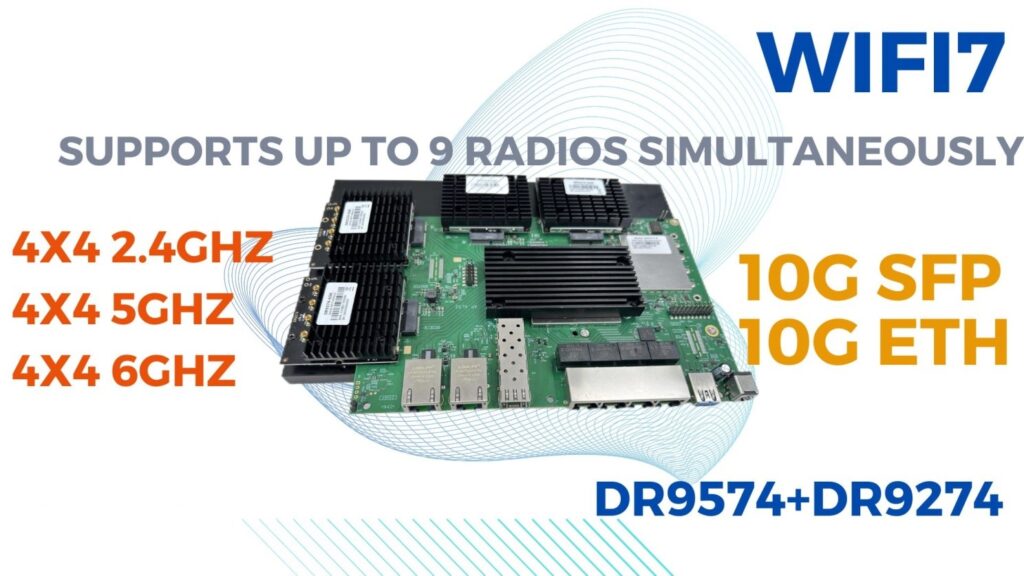
524WiFI and Wallystech’s Wi-Fi 7 router DR9574 supports MLO functionality with the DR9274 Wi-Fi 7 card, fulfilling diverse Wi-Fi project needs:
DR9574 supports 3 DR9274 single cards: 2.4G, 5G, and 6G can operate simultaneously.
Wi-Fi 7, also known as 802.11be, marks a significant leap forward in wireless networking technology, offering enhanced performance, higher throughput, and lower latency compared to its predecessors. With features like 320 MHz channel bandwidth, 4K-QAM modulation, and Multi-Link Operation (MLO), it is poised to deliver speeds up to 46 Gbps, ideal for the ever-increasing demands of modern networks.
This article explores several Qualcomm-based Wi-Fi 7 4×4 triband solutions from 524WiFi and Wallys Communications, highlighting their key features and applications.
1. DR9574: Tri-Band Routerboard with Qualcomm IPQ9574
Overview: The DR9574 routerboard is equipped with the Qualcomm IPQ9574 chipset and features 4×4 MU-MIMO technology, offering robust performance across three bands (2.4 GHz, 5 GHz, and 6 GHz). It supports four M.2 slots, which provides significant flexibility for module integration and customization.
Specifications:
Chipset: Qualcomm IPQ9574 and QCN9274
Bands: Tri-band (2.4 GHz, 5 GHz, 6 GHz)
Ports: 2x 10G Ethernet and 4x 1G Ethernet ports
Applications: Suitable for high-performance networking applications such as routers, access points, and enterprise-level solutions, the DR9574 is designed for environments where both speed and reliability are critical.
Use Case: It is ideal for deployment in offices, large homes, or enterprise environments that demand simultaneous high-speed connections across multiple devices.
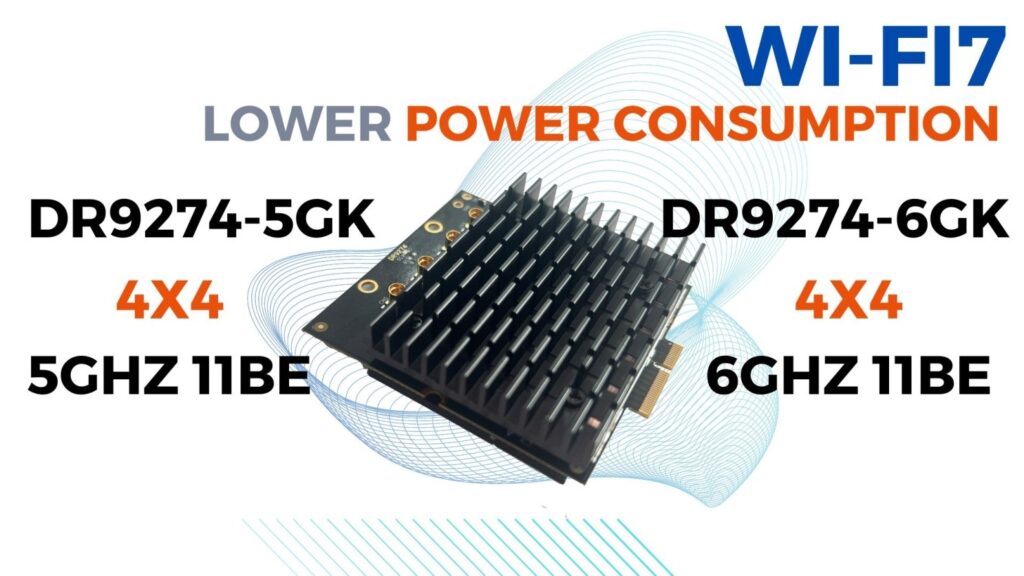
Overview: The DR9274 series consists of three single-band Wi-Fi 7 cards—each catering to a different frequency band (2.4 GHz, 5 GHz, and 6 GHz). These M.2 modules provide high-speed 4×4 MU-MIMO functionality, enabling better coverage and increased data throughput in densely populated environments.
Key Models:
DR9274-2G: Focuses on the 2.4 GHz band, which is ideal for devices requiring long-range connectivity with moderate data requirements.
DR9274-5G: Optimized for the 5 GHz band, offering a balance between range and speed, perfect for most modern devices.
DR9274-6G: Leverages the 6 GHz band, providing ultra-fast connectivity with minimal interference, designed for future-proofing wireless networks.
Specifications:
Chipset: Qualcomm QCN9274 and QCN6274
Form Factor: M.2 slot, ensuring easy integration into a wide range of devices.
4×4 MU-MIMO: Delivers enhanced performance for demanding applications, such as streaming, gaming, and large file transfers.
Use Case: The DR9274 series is ideal for laptops, embedded systems, and other devices requiring high-performance wireless modules in specialized applications.
Overview: The DR5332 is a dual-band routerboard that comes with a Qualcomm IPQ5332 chipset, offering support for 2.4 GHz and 5 GHz bands. It is designed for network solutions that require fast, stable, and efficient connections.
Specifications:
Chipset: Qualcomm IPQ5332
Ports: 10G SFP for high-speed fiber connections, making it ideal for data-heavy applications.
Memory: 1 GB DDR4, enhancing performance for processing-intensive tasks.
Use Case: This model is well-suited for small- to medium-sized business environments, especially where high data throughput and fiber connectivity are crucial.
The Qualcomm Wi-Fi 7 4×4 triband solutions provide a comprehensive range of products tailored to meet the needs of high-performance networking applications. From single-band M.2 modules to advanced routerboards supporting multiple frequencies, 524WiFi’ lineup offers flexibility and scalability for various industries and use cases.
WiFi 7 advancements are set to benefit several industries, particularly those that rely heavily on connectivity, data transfer, and real-time communication. Here are some of the key industries likely to gain the most:
1. Manufacturing
Smart Factories: Enhanced connectivity supports IoT devices, automation, and robotics, improving efficiency and productivity on the factory floor.
Smart Factories
2. Healthcare
Telemedicine and Remote Monitoring: High-speed, low-latency connections enable real-time patient monitoring and telehealth services, enhancing care delivery.
Healthcare
3. Transportation and Logistics
Fleet Management: IoT sensors and real-time tracking systems can operate more effectively, improving logistics, inventory management, and route optimization.
Transportation and Logistics
4. Retail
Smart Retail Solutions: WiFi 7 can support advanced point-of-sale systems, inventory tracking, and customer engagement technologies like AR applications.
5. Education
Online Learning and Collaboration: Schools and universities can leverage high-speed connectivity for blended learning, virtual classrooms, and enhanced collaboration tools.
6. Energy and Utilities
Smart Grids: Enhanced data transmission allows for better monitoring and management of energy consumption and distribution, facilitating the growth of renewable energy sources.
7. Construction
Site Connectivity: Real-time data sharing between devices and personnel can improve project management, safety monitoring, and equipment tracking.
8. Agriculture
Precision Farming: IoT devices can collect and transmit data on soil conditions, crop health, and weather, optimizing agricultural practices and yields.
9. Hospitality
Guest Experience: Hotels can provide seamless connectivity for guests and improve operational efficiency through integrated management systems.
Conclusion
WiFi 7’s capabilities are set to transform industries by enhancing connectivity, supporting advanced technologies, and improving efficiency. As businesses adopt these advancements, the impact on operations, customer experience, and overall productivity will be significant.
Wallys WiFi 7 Solutions
With over 16 years of expertise, Wallys is a leader in OEM/ODM services for WiFi products, including router boards, WiFi cards, antennas, and access points spanning WiFi 5, 6, and 7 standards. We excel in both software development and hardware customization, leveraging Qualcomm chipsets like IPQ9574 and IPQ6010 to deliver superior performance. Many of our products support open-source platforms such as OpenWrt and OpenWiFi, allowing for highly customizable solutions tailored to meet specific client needs.
At Wallys, we offer two robust WiFi 7 solutions designed to meet diverse needs:
In point-to-point WiFi long-distance transmission, selecting the right hardware platform is crucial. To achieve stable signal transmission, it’s important to focus on key factors such as processor performance, transmission standards, RF (radio frequency) performance, and heat dissipation design. Wallys offers a range of industrial wireless routers that meet these needs, particularly excelling in scenarios requiring stable transmission over distances of up to 23 kilometers.
1. Processor Performance
Choosing routers with high-performance CPUs is essential. 524WiFi’ industrial routers are equipped with powerful multi-core processors capable of handling high data traffic, ensuring a smooth network experience even with multiple device connections. This level of performance guarantees reliability in data-intensive applications, such as video monitoring and real-time data transmission.
WIFI6 VS WIFI7
2. Transmission Standards
To achieve higher efficiency and lower latency, it’s vital to select devices that support the latest WiFi standards. Wallys 524WiFi routers support WiFi 6 and WiFi 6E, with preparations for WiFi 7. This means users can enjoy faster connection speeds and greater network capacity, making them suitable for high-density user environments.
3. RF (Radio Frequency) Performance
Good RF performance is another key factor for stable transmission. 524WiFi’ industrial wireless routers employ advanced RF designs that optimize signal transmission and reception, significantly enhancing signal stability and interference resistance. This is especially important in complex environments such as factories or warehouses, ensuring stable signal transmission even over distances of up to 23 kilometers.
4. Heat Dissipation Design
Overheating can severely impact device performance, so a good heat dissipation design is crucial. Wallys 524WiFi routers utilize efficient heat management solutions to maintain stable performance during long-term operation. This design allows devices to operate efficiently under high load conditions, ensuring continuous network connectivity.
524WIFI 7 Heat Dissipation Design
5. Quality Control
524WiFi’ commitment to quality is reflected in its manufacturing process. All devices undergo 100% calibration before shipment, ensuring that signal quality and performance meet high standards. This rigorous quality control measure gives users peace of mind, ensuring that devices can operate reliably in various environments.
Recommended Models
DR5018S: Based on the Qualcomm IPQ5018 CPU, supports WiFi 6, suitable for high-density connection environments, offering robust data processing capabilities.
DR5018S router board
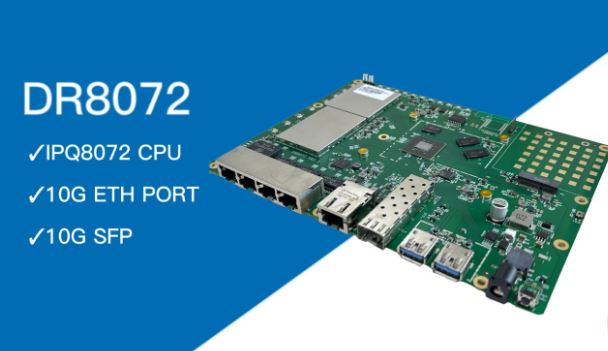
DR8072: Features the Qualcomm IPQ8072 CPU, supports WiFi 6E, with excellent RF performance and heat dissipation design, ideal for industrial applications.
DR8072
Wallys DR6018: Based on the Qualcomm IPQ6010 CPU, suitable for environments that require stable transmission and efficient processing.
Wallys DR6018
DR5332: A forward-looking design supporting WiFi 7, based on the Qualcomm IPQ5332 CPU, offering multiple connectivity options to meet future needs.
IPQ6010 VS IPQ5332
DR9574: Equipped with the Qualcomm IPQ9574 CPU, providing exceptional performance and efficient signal transmission, suitable for large-scale applications.
Wallys DR9574
Conclusion
Choosing the right industrial wireless router is essential for ensuring stable wireless transmission. 524WiFi’ products excel in processor performance, transmission standards, RF performance, and heat dissipation design, making them ideal for achieving efficient point-to-point WiFi connections while maintaining stability over distances of up to 23 kilometers. By selecting the appropriate model based on specific application scenarios and requirements, you can maximize network stability and efficiency, ensuring reliable wireless communication.
Wi-Fi 7, also known as IEEE 802.11be, is the next-generation Wi-Fi standard that supports 2.4GHz, 5GHz, and 6GHz all three frequency bands. This advanced technology introduces innovative features that provide wider signal coverage, reduced latency and seamless connectivity. Wi-Fi 7 is set to revolutionize the way we connect, redefining the standards of wireless communication and rewriting your connectivity experiences. For Linux users, recommended is Linux krenel 6.5 and in kernel ath12k driver.
Unlock the Full Possibilities of Wi-Fi 7
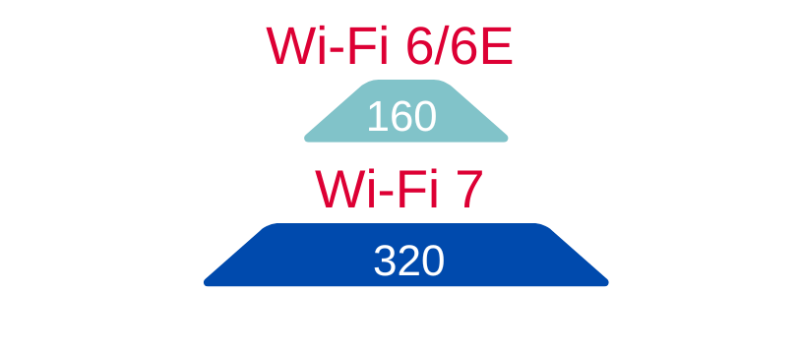
320MHz Bandwidths
Wi-Fi 7 introduces 320MHz channel bandwidths, significantly expanding data transmission capacity. This allows for higher data rates and improved performance, ideal for bandwidth-intensive applications like streaming, gaming, and large file transfers.
4096 QAM
WiFi 7 uses 4K QAM to enhance data capacity, enabling higher speeds and efficiency. This improves performance for 4K streaming, online gaming, and large file downloads, delivering superior connectivity for modern applications.
Multi-Link Operation
Wi-Fi 7 debuts Multi-Link Operation (MLO), enabling devices to connect to the same access point across multiple channels and frequency bands simultaneously. MLO increases throughput, reduces latency, and enhances reliability.
Compex Wi-Fi 7 Solutions
The new Compex’s Wi-Fi 7 Dual-Band Dual-Concurrent Modules are designed to take your connectivity to the next level with seamless adoption, power efficiency and enhanced wireless performance. Ideal for enterprise, industrial, cybersecurity, transportation, and SMB applications or appliances, our Wi-Fi 7 Dual-Band Dual-Concurrent Modules set a new standard in performance and reliability.
Compex Wi-Fi 7 Solutions Product Matrix
WLE7000 Standard MiniPCIe Series
WLE7002E25
2×2 2.4+5GHz DBDC WiFi 7 with 2.4/5GHz Diplexer MiniPCIe Interface with PCIe 3.0
WLE7002E56
2×2 5+6GHz DBDC WiFi 7 with 5/6GHz Diplexer MiniPCIe Interface with PCIe 3.0
WLT7000 M.2 Series
WLTE7002E25
2×2 2.4+5GHz DBDC WiFi 7 with 2.4/5GHz Diplexer M.2 E Key Interface with PCIe 3.0
WLTB7002E25
2×2 2.4+5GHz DBDC WiFi 7 with 2.4/5GHz Diplexer M.2 B+M Key Interface with PCIe 3.0
WLW7000 High-Power M.2 Series
WLW7002E25
2×2 2.4+5GHz DBDC WiFi 7 M.2 E Key Interface with PCIe 3.0
WLW7002E56
2×2 5+6GHz DBDC WiFi 7 M.2 E Key Interface with PCIe 3.0
WLW7000E2
4×4 2.4GHz WiFi 7 M.2 E Key Interface with PCIe 3.0
Multi-Band Support and Wi-Fi 6: Exploring the Technical Advantages of the DR5018S with IPQ5018
In the realm of wireless communication, Wi-Fi 6 represents a significant leap forward, delivering enhanced speed, capacity, and efficiency. For industrial applications that demand robust and reliable wireless solutions, the DR5018S module, featuring the powerful IPQ5018 chipset, stands out as an exemplary choice. This article explores the technical advantages of the DR5018S and how the IPQ5018 chipset enhances its capabilities, particularly in multi-band support and Wi-Fi 6 technology.
The DR5018S offers comprehensive coverage with its support for 2.4 GHz, 5 GHz, and 6 GHz frequency bands. This multi-band capability ensures optimal performance across a variety of environments, from expansive outdoor areas to densely populated industrial sites.
Advantages:
2.4 GHz Band: Provides broad signal coverage and is effective for long-distance transmission and penetration through obstacles.
5 GHz Band: Delivers higher data transfer speeds, making it suitable for applications requiring substantial bandwidth, such as HD video streaming and high-speed data transfers.
6 GHz Band: Introduces additional bandwidth, reducing interference and congestion. This band is particularly valuable for future high-density, high-throughput applications.
Wi-Fi generations (Source: Wikipedia)
2. IPQ5018 Chipset: Powering Superior Performance
At the heart of the DR5018S is the IPQ5018 chipset, which brings exceptional performance and efficiency to the module. The IPQ5018 is designed to handle demanding networking tasks with ease, providing a solid foundation for advanced wireless capabilities.
Key Features of IPQ5018:
High Processing Power: The IPQ5018 chipset features a robust processor that supports high-speed data processing and efficient network management, making it ideal for high-performance applications.
Enhanced Efficiency: Optimized for low power consumption while maintaining high performance, the IPQ5018 ensures extended operational longevity and reduced energy costs.
Advanced Features: Supports a range of advanced networking features, including enhanced security protocols and efficient bandwidth management, ensuring reliable and secure connections.
Wallys DR5018S:WIFI6 TRIBAND ROUTERBOARD CPU IPQ5018
3. Wi-Fi 6E
Wi-Fi 6E extends the capabilities of Wi-Fi 6 by incorporating the 6 GHz band. This extension is crucial for maintaining performance in increasingly crowded wireless environments.
Advantages:
Expanded Spectrum: The 6 GHz band provides additional non-overlapping channels, significantly reducing interference and network congestion.
Increased Speed: Supports higher bandwidth, facilitating rapid data exchange and improved performance for demanding applications.
Reduced Latency: Wi-Fi 6E minimizes latency, which is essential for applications requiring real-time data transmission and low lag.
4. DR5018S in Industrial Applications
The DR5018S, equipped with the IPQ5018 chipset, excels in various industrial applications, from smart cities to advanced manufacturing and security monitoring.
Application Examples:
Smart Cities: The DR5018S supports a large number of sensors and IoT devices, enabling real-time data collection and processing that enhances urban infrastructure and management.
SMART CITY
Intelligent Manufacturing: In manufacturing settings, the module’s multi-band support improves device communication and automation efficiency, driving productivity and operational success.
Intelligent Manufacturing
Security Monitoring: For security applications, the DR5018S’s 6 GHz band provides clear and smooth video streaming with minimal latency, enhancing the effectiveness of surveillance systems.
Security Monitoring
5. Conclusion: DR5018S with IPQ5018 – A Powerful Networking Solution
As the demand for advanced wireless solutions grows, 524WiFi and Wallys’ DR5018S, driven by the IPQ5018 chipset, offers a powerful and versatile solution for industrial wireless networks. With its multi-band support and Wi-Fi 6E technology, the DR5018S is well-suited for a range of demanding applications, delivering exceptional performance and reliability.
DR5018S(IPQ5018)
For more details on the DR5018S and the IPQ5018 chipset, or to discuss how these technologies can meet your specific needs, please contact our sales team. We are here to provide tailored solutions for your networking requirements.
How to Choose the Right WiFi 7 Solution: An In-Depth Look at IPQ5332, QCN9274, and QCN6274 Chips
As wireless technology continues to advance, WiFi 7 is becoming a key driver for industrial and commercial applications. The IPQ5332, QCN9274, and QCN6274 chips, newly released by Qualcomm, offer high performance and a wide range of applications. However, with these options, users may face challenges in selecting the most suitable solution for their specific needs. In this article, we will explore the features and application scenarios of these chips, helping you make an informed decision.
1. IPQ5332: The Top WiFi 7 SoC for High-Density Environments
The IPQ5332 is a high-performance WiFi 7 SoC designed by Qualcomm to support multi-band, high bandwidth, and low latency applications. This chip integrates multi-core CPUs, acceleration engines, and advanced network processing capabilities, making it ideal for handling complex network demands in high-density user scenarios.
Needs: Users are looking for a SoC that can operate stably in high-density environments while supporting the latest WiFi 7 technology.
Challenges:How to ensure IPQ5332’s stability in high-interference environments?Are there ready-made development boards or modules available for rapid prototyping?How to achieve compatibility between the IPQ5332 and existing network devices?
Solutions
Performance Testing and Case Studies: We provide performance test data for the IPQ5332 in various environments, showcasing its superior performance in high-density and long-distance transmission scenarios.
Development Resources: Wallys offers development boards and modules based on the IPQ5332, complete with technical documentation and development support to help you quickly start your project.
2. QCN9274: The Ideal RF Solution for Multi-Band Wireless Communication
The QCN9274 is a multi-band RF chip that supports wideband, high-speed wireless communication, making it particularly suitable for demanding wireless transmission scenarios. Whether for industrial automation or large-scale enterprise wireless networks, the QCN9274 provides stable RF performance and low power consumption.
Learn more about the DR9274(QCN9274 RF chip) here.
User Needs and Challenges
Needs: Users are seeking an RF chip that can deliver optimal performance in multi-band, multi-user scenarios.
Challenges:How does the QCN9274 perform in complex environments?How to ensure seamless integration between the QCN9274 and the IPQ5332?Are there ready-made drivers or firmware available for custom development?
Solutions
Optimization Strategies: We demonstrate how the QCN9274 maintains stable connections in high-density, high-interference environments and provide the best combination solution with the IPQ5332.
Technical Support: We offer comprehensive driver and firmware support to ensure your development project runs smoothly.
3. QCN6274: The Low-Power Choice for IoT and Smart Home Applications
The QCN6274 is a low-power, high-performance RF chip designed specifically for IoT and smart home applications. This chip not only excels in transmission efficiency but also has extremely low power consumption, making it ideal for battery-powered devices.
User Needs and Challenges
Needs: Users need a low-power RF chip that can provide stable wireless connections in long-term operational environments.
Challenges:How effective is the QCN6274’s signal penetration?How to maintain signal stability while extending battery life?Does it support rapid integration into existing IoT solutions?
Solutions
Power Optimization: Through precise power management and optimization strategies, the QCN6274 can maintain stable wireless connections in long-running devices while extending battery life.
Integration Support: We provide detailed technical documentation and reference designs to help you quickly integrate the QCN6274 into your existing IoT and smart home devices.
4. How to Choose the Right WiFi 7 Chip Solution for You
The IPQ5332, QCN9274, and QCN6274 each have unique advantages, making them suitable for different application scenarios. Whether you are looking for a high-performance WiFi 7 SoC, a multi-band RF chip, or a low-power IoT solution, 524WiFi can provide you with the most appropriate hardware support and technical services.
Actionable Recommendations:
Learn More: Visit our product pages to learn more about the IPQ5332, and here for the QCN9274.
Contact Our Sales Team: If you have any technical questions or need a custom solution, feel free to reach out to our sales team at info at 524wifi.com and we will provide you with the best support.
By choosing the right chip, you can ensure that your project achieves optimal performance, stability, and power efficiency, helping you quickly reach your business goals.
In-Depth Analysis of IPQ5332 and IPQ9574: Technical Specifications and Applications of WiFi 7 Chips
Introduction
The advent of WiFi 7 represents a significant leap forward in wireless communication technology. As leading WiFi 7 chip solutions, the IPQ5332 and IPQ9574 are at the forefront of this technological revolution. This article will provide an in-depth analysis of these two chips’ technical specifications and their advantages in real-world applications, helping you understand how they are driving the future of wireless networks.
Overview of IPQ5332 and IPQ9574
IPQ5332 and IPQ9574 are high-performance WiFi 7 chipsets designed to deliver exceptional speed, coverage, and connectivity stability. Each chip is optimized for different application scenarios and needs, making them crucial components for achieving next-generation wireless network performance.
Technical Specifications
1. IPQ5332
Frequency Bands: Supports 2.4GHz, 5GHz, and 6GHz bands to meet all WiFi 7 frequency requirements.
Channel Bandwidth: Supports up to 320MHz channel bandwidth for higher data transfer rates.
Multi-User MIMO (MU-MIMO): Features 8×8 MU-MIMO technology for efficient simultaneous data transfer with multiple devices.
OFDMA (Orthogonal Frequency Division Multiple Access): Enhances spectral efficiency, reduces latency, and improves performance in multi-user environments.
TWT (Target Wake Time): Supports TWT technology to extend battery life, especially beneficial for IoT devices.
WIFI7 FEATURE:MLO
2. IPQ9574
Frequency Bands: Also supports 2.4GHz, 5GHz, and 6GHz bands for comprehensive coverage.
Channel Bandwidth: Provides up to 320MHz channel bandwidth for ultra-fast data transfer.
Multi-Link Operation (MLO): Utilizes MLO technology for simultaneous connections across multiple frequency bands, increasing bandwidth and stability.
Enhanced OFDMA: Improves the efficiency of OFDMA, optimizing network capacity and latency performance.
Low Latency Features: Designed for low-latency applications such as AR/VR and high-frequency trading systems.
DR9574 INDOOR AP-524WIFI7
Application Scenarios
1. Enterprise Network Solutions
The high-performance characteristics of IPQ5332 and IPQ9574 make them ideal for enterprise network environments. Enterprises require stable, high-speed wireless connections to support numerous concurrent devices and data-intensive applications. IPQ5332’s high bandwidth and MU-MIMO capabilities effectively handle high-density device environments, while IPQ9574’s MLO and low-latency features ensure exceptional performance for enterprise applications.
2. Smart Home
In smart home scenarios, IPQ5332 and IPQ9574 can support numerous smart devices simultaneously, ensuring reliable operation. IPQ5332’s TWT functionality is crucial for extending battery life of smart home devices, while IPQ9574’s high throughput and low latency features enhance user experience, allowing smart home devices to process data efficiently and respond promptly to user commands.
3. Internet of Things (IoT)
IoT devices require stable connectivity in diverse environments. IPQ5332’s efficient OFDMA technology and TWT features make it an ideal choice for IoT devices, effectively managing multiple device connections while extending battery life. IPQ9574 excels in applications requiring ultra-low latency, such as smart monitoring and real-time data collection.
4. High-Density Wireless Environments
In high-density environments such as large public venues, conference centers, or sports arenas, IPQ5332 and IPQ9574’s high bandwidth and multi-user support features address network congestion issues. IPQ5332’s MU-MIMO and IPQ9574’s MLO technology ensure that users experience stable, high-speed network performance even during peak times.
Conclusion
The IPQ5332 and IPQ9574 represent the cutting edge of WiFi 7 technology, offering superior speed, broader coverage, and reduced latency. Whether for enterprise networks, smart homes, IoT applications, or high-density environments, these chipsets provide outstanding performance.