Artificial Intelligence has evolved at an incredible pace over the past few years. From large language models to computer vision and predictive analytics, AI software has become increasingly powerful and accessible.
But as AI adoption accelerates, I’ve noticed a shift in conversations with customers and partners.
The discussion is no longer just about models.
It’s about deployment.
AI Doesn’t Create Value Until It Reaches the Edge
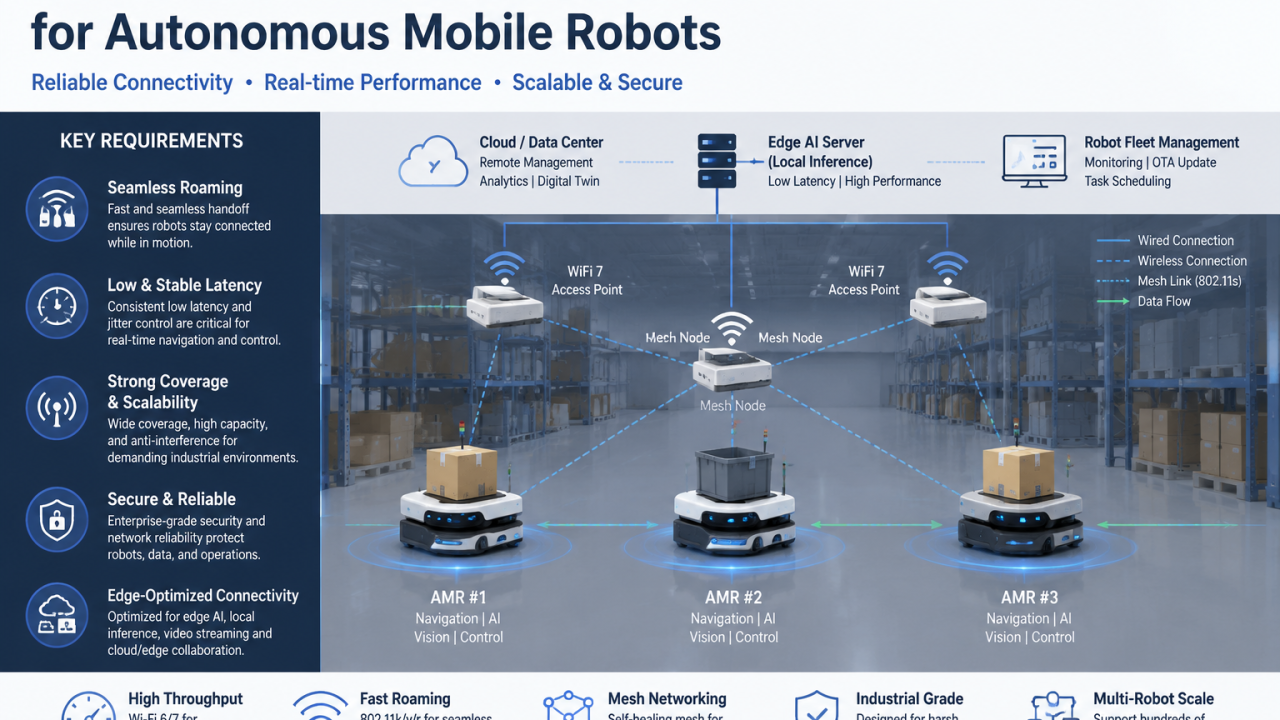
Training an AI model is only part of the journey. Real business value is created when AI runs where decisions need to be made—inside factories, warehouses, vehicles, retail stores, hospitals, and smart cities.
For many applications, relying entirely on cloud computing creates several challenges:
- High latency
- Expensive bandwidth
- Privacy concerns
- Unstable network connectivity
- Ongoing cloud operating costs
This is why Edge AI has become one of the fastest-growing segments of the AI industry.
Processing data locally enables faster responses, better reliability, and greater control over sensitive information.
The New Bottleneck Isn’t Software
Five years ago, companies asked:
“Which AI framework should we use?”
Today they ask:
“Which hardware platform should we build on?”
Many AI startups have exceptional software teams, yet hardware development often delays commercialization.
Designing an embedded AI system involves far more than selecting a processor. Teams must address thermal management, power optimization, connectivity, storage, operating system support, long-term component availability, manufacturing, and certification.
For companies whose core strength lies in AI algorithms or industry expertise, developing custom hardware from scratch may not be the best use of resources.
Why OEM and ODM Partnerships Matter More Than Ever
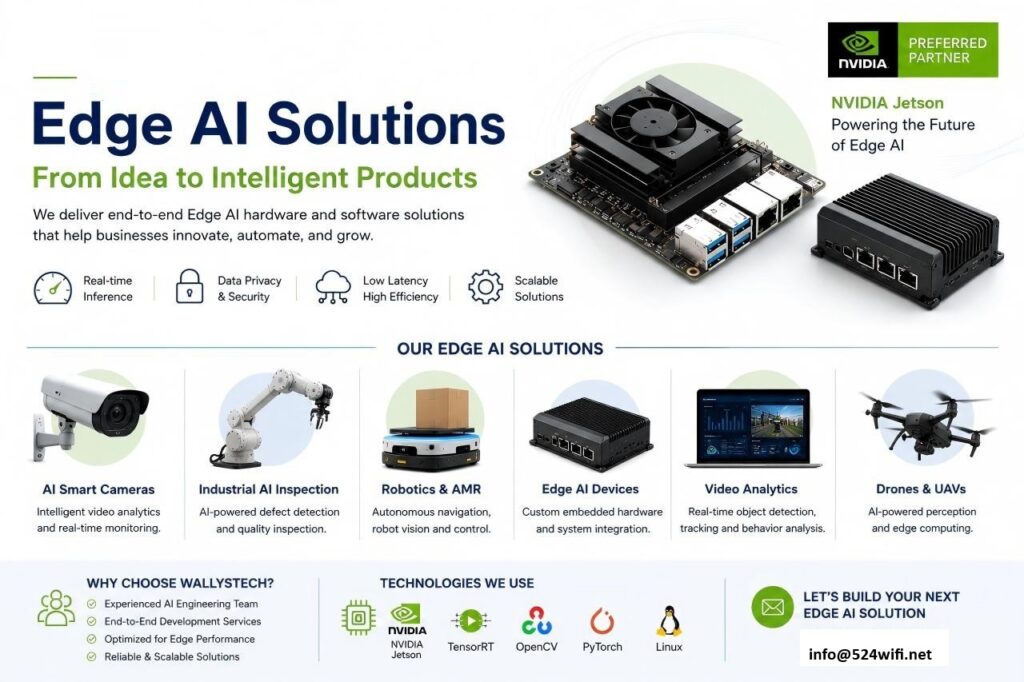
Instead of reinventing the hardware platform, many companies are choosing to collaborate with experienced OEM and ODM manufacturers.
This approach allows engineering teams to focus on what truly differentiates their products:
- AI applications
- Software platforms
- User experience
- Industry-specific solutions
Meanwhile, hardware partners provide mature platforms that reduce development risk and shorten time-to-market.
In today’s competitive environment, launching six months earlier can be more valuable than achieving marginal improvements in hardware performance.
Flexibility Is Becoming More Important Than Raw Performance
The AI industry often focuses on TOPS, GPU cores, and benchmark scores.
While computing power certainly matters, customers increasingly ask different questions:
- Can this platform be customized?
- Does it support industrial environments?
- Can wireless connectivity be added?
- Is storage expandable?
- Will the platform still be available in three years?
- Can it scale from prototype to mass production?
These practical considerations often determine whether a product succeeds in the market.
Performance attracts attention.
Flexibility wins projects.
Looking Ahead
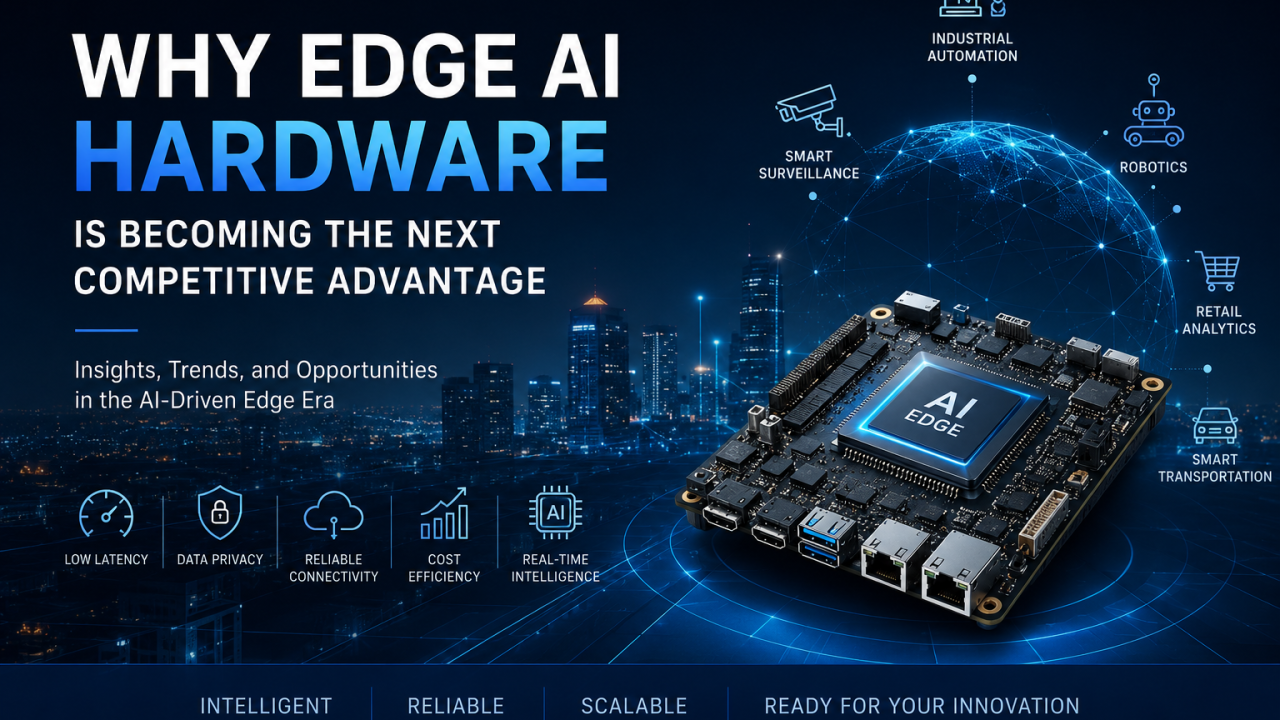
Edge AI is no longer an emerging trend—it is becoming the standard architecture for many intelligent devices.
Whether it’s machine vision, robotics, industrial automation, transportation, or smart retail, demand for reliable, customizable AI hardware continues to grow.
I believe the next wave of innovation won’t come solely from more powerful AI models.
It will come from making AI easier to deploy in real-world environments.
Companies that can combine intelligent software with reliable, scalable hardware will be best positioned to deliver practical AI solutions.
As someone working closely with Edge AI platforms, it’s exciting to see how quickly the industry is evolving.
I’m curious to hear your perspective.
What do you think will become the biggest challenge for Edge AI over the next five years—computing power, deployment, cost, or something else?
Let’s discuss.